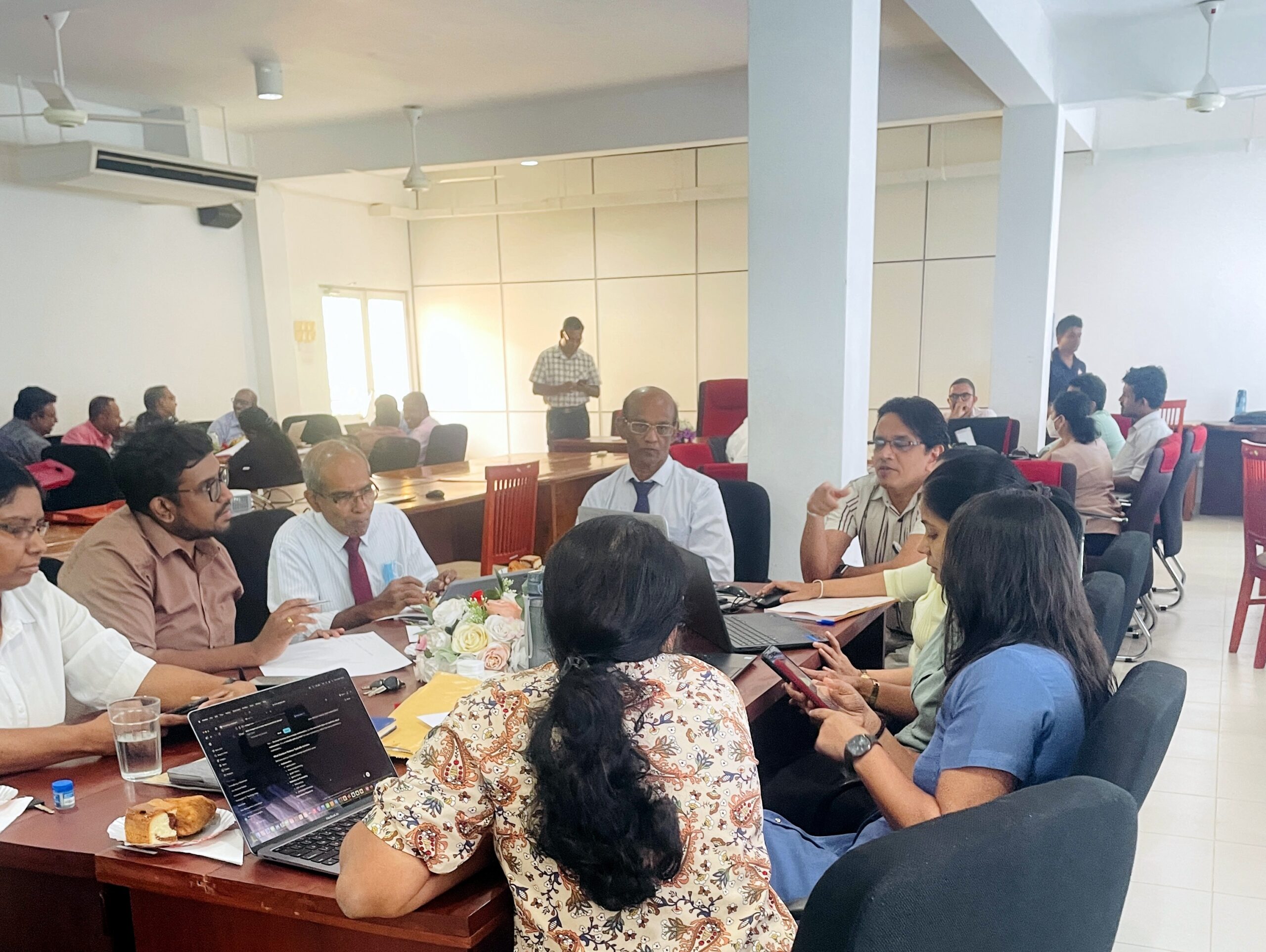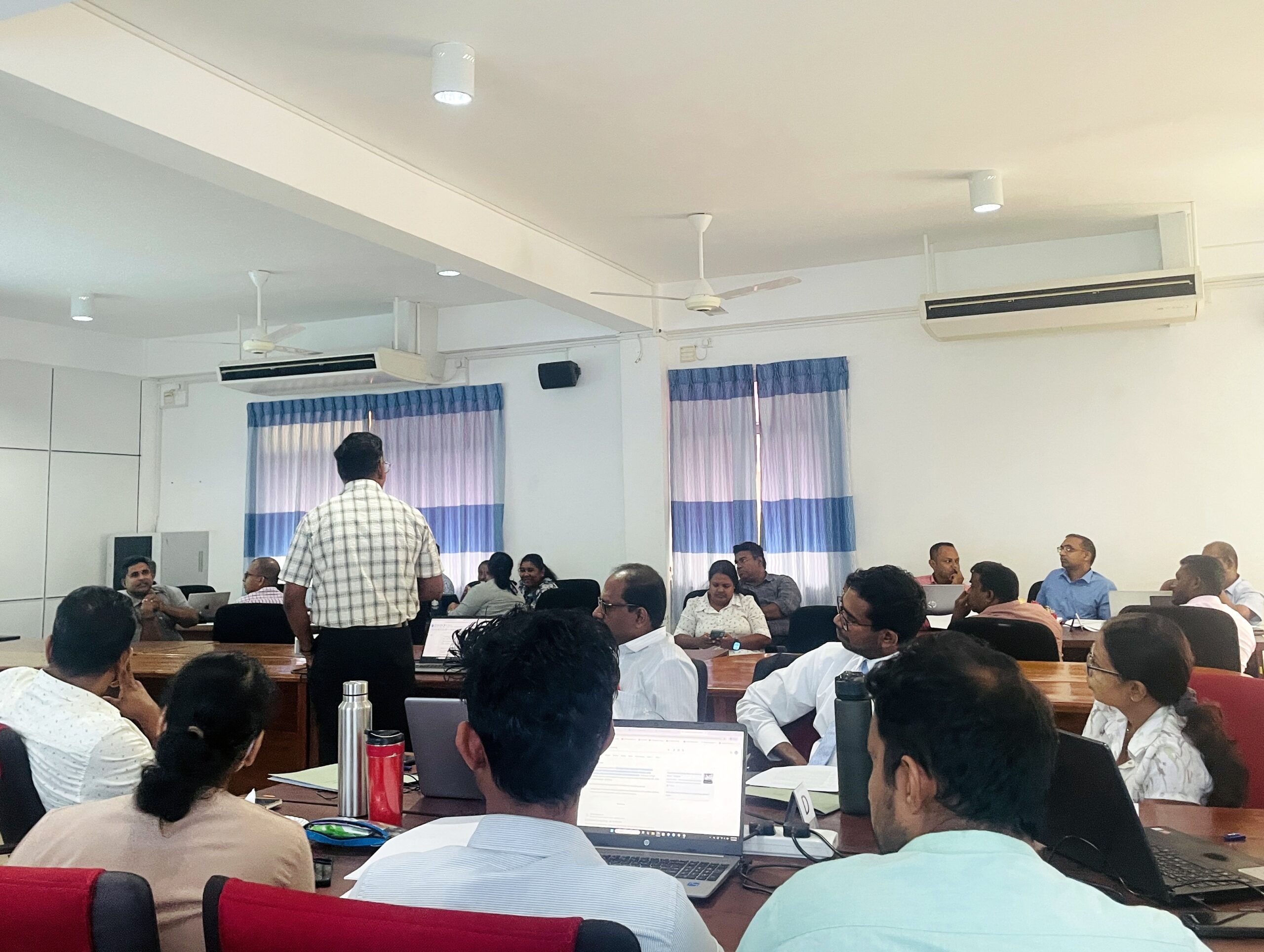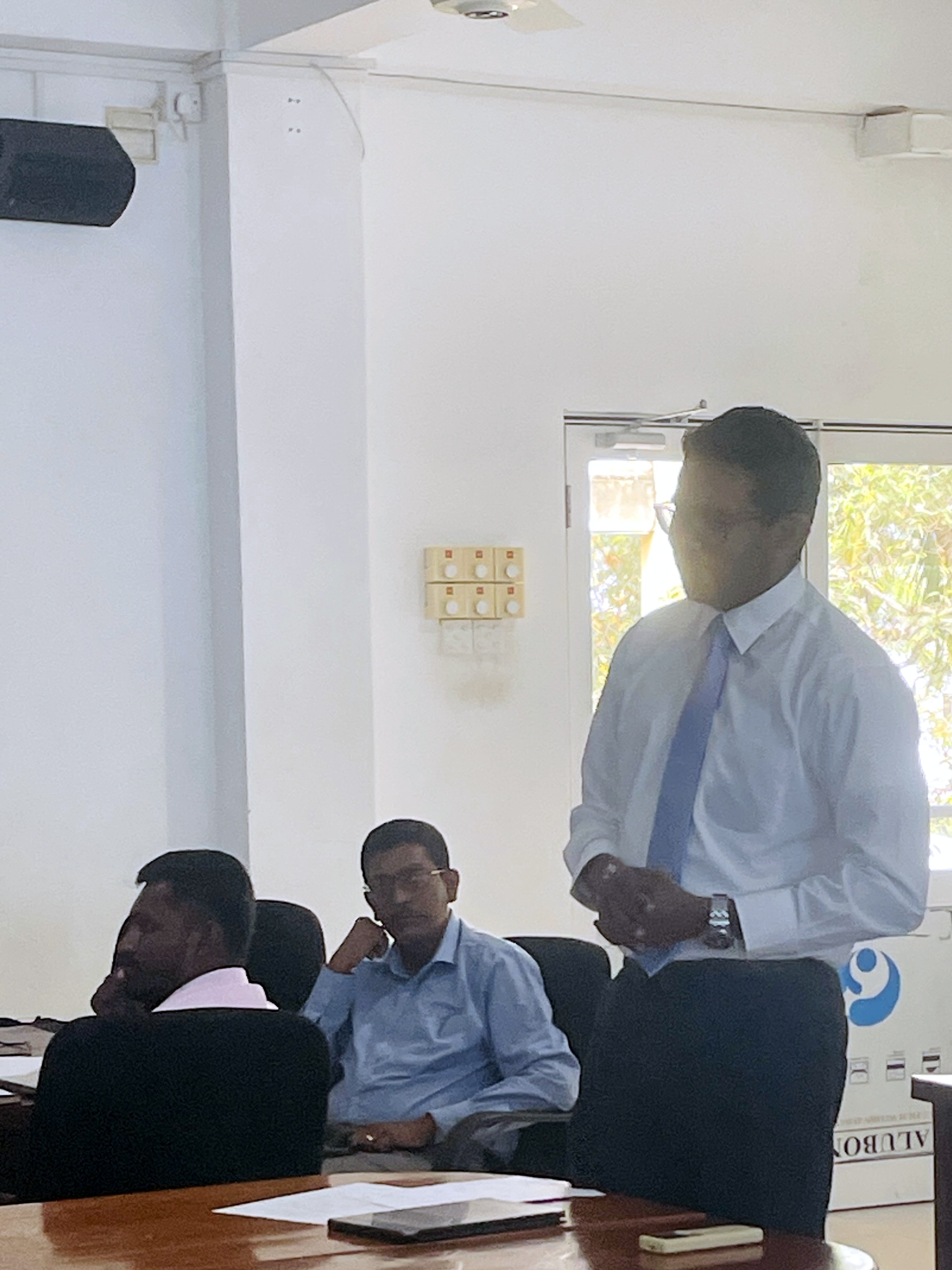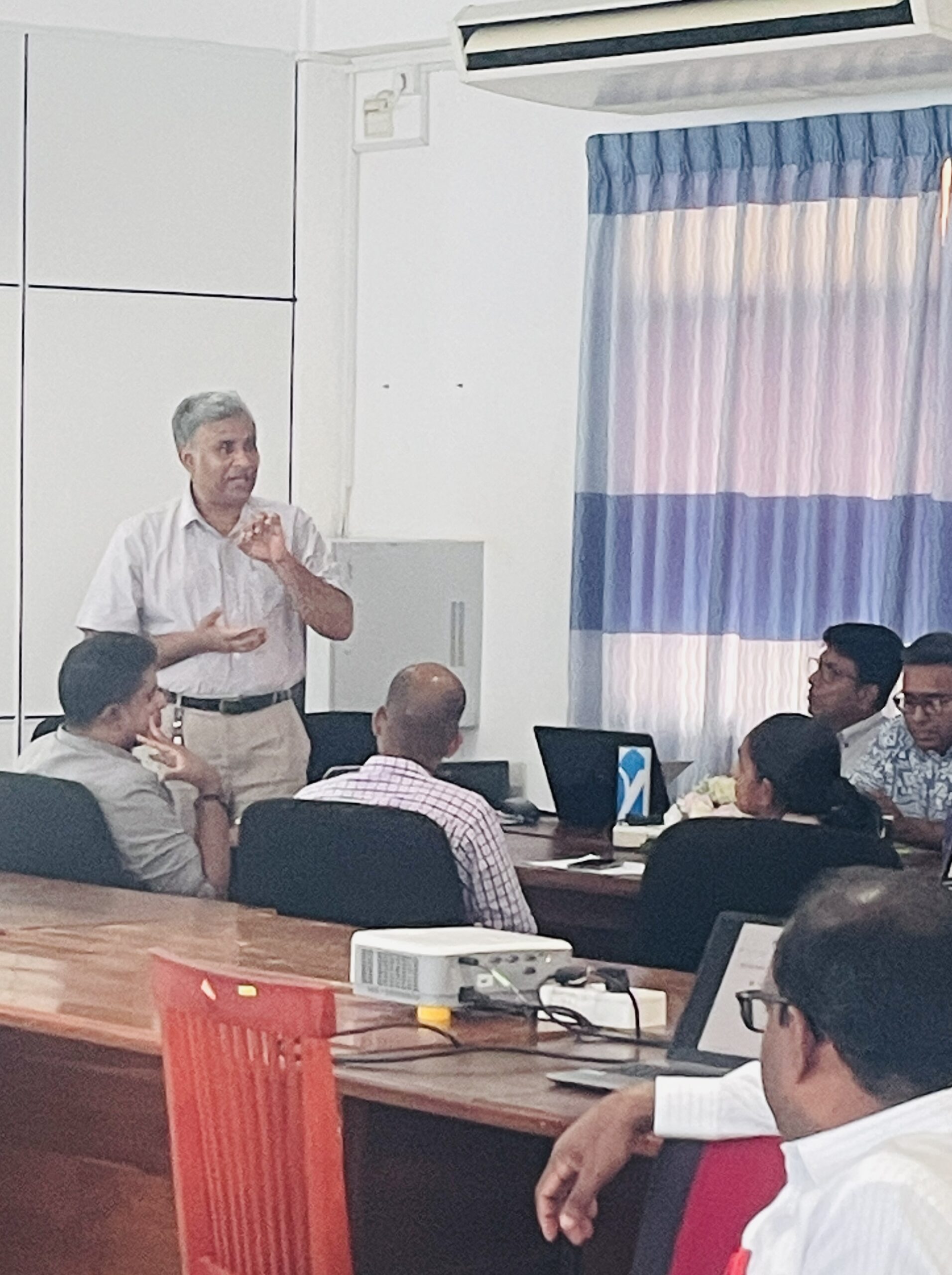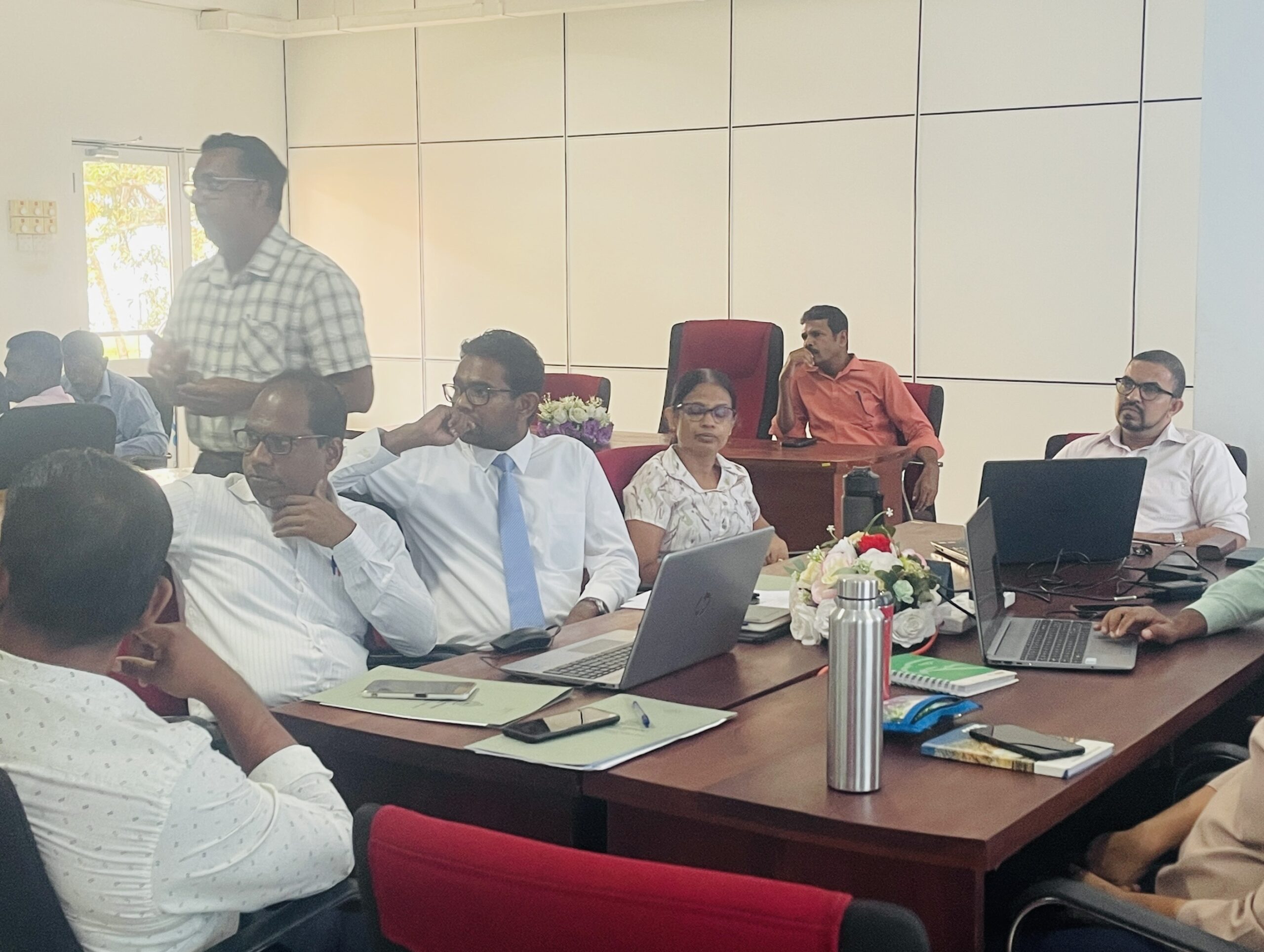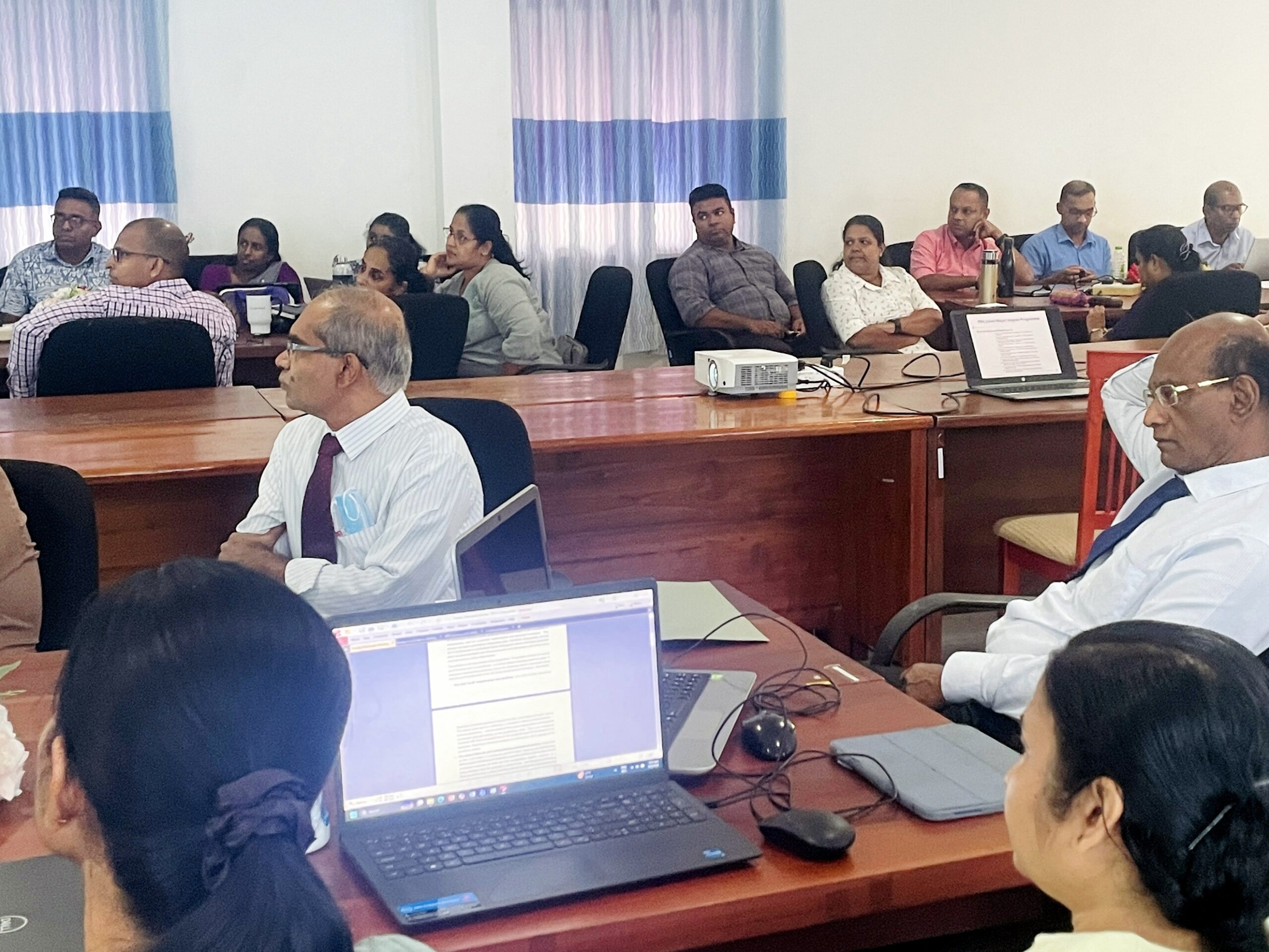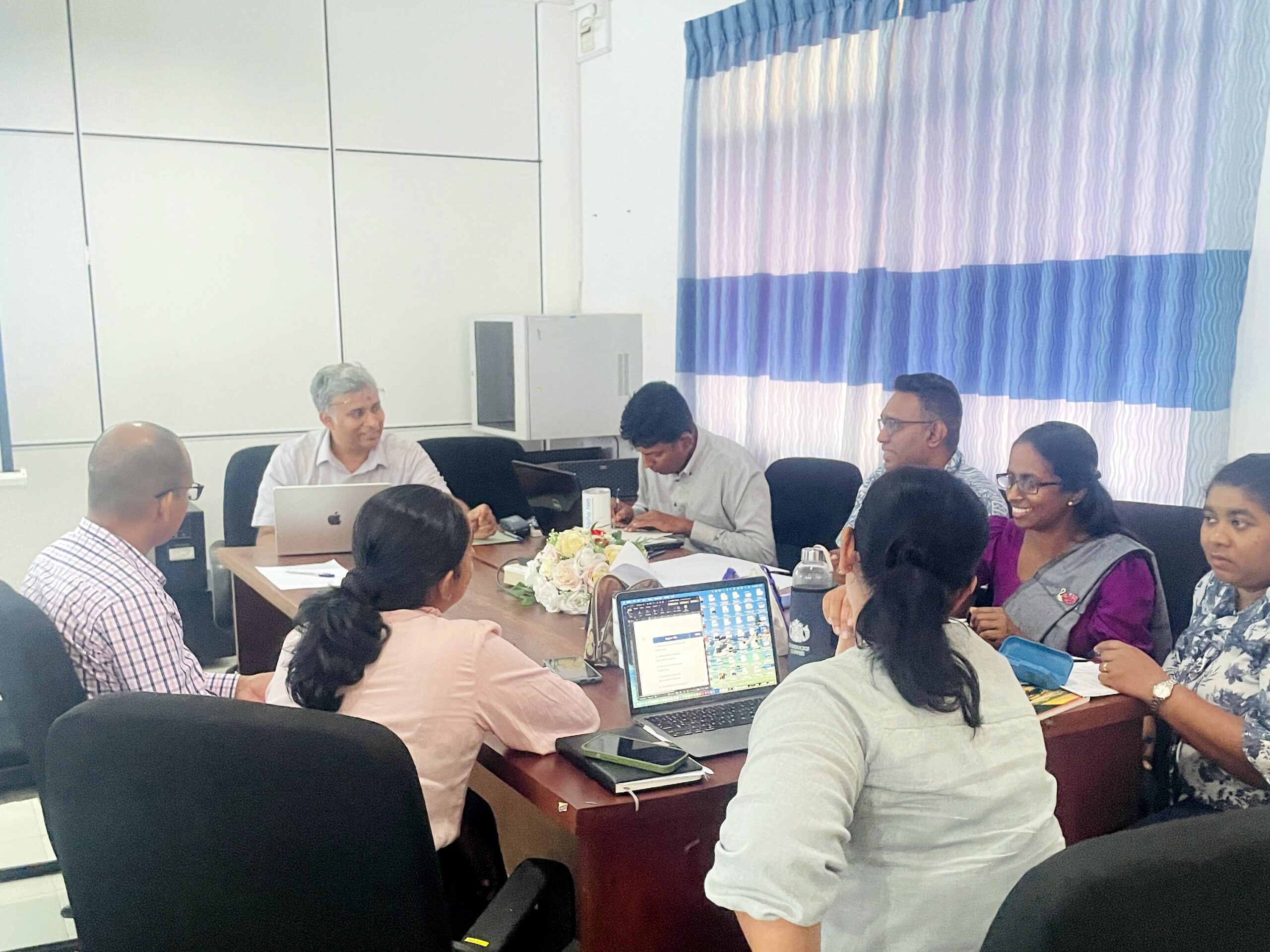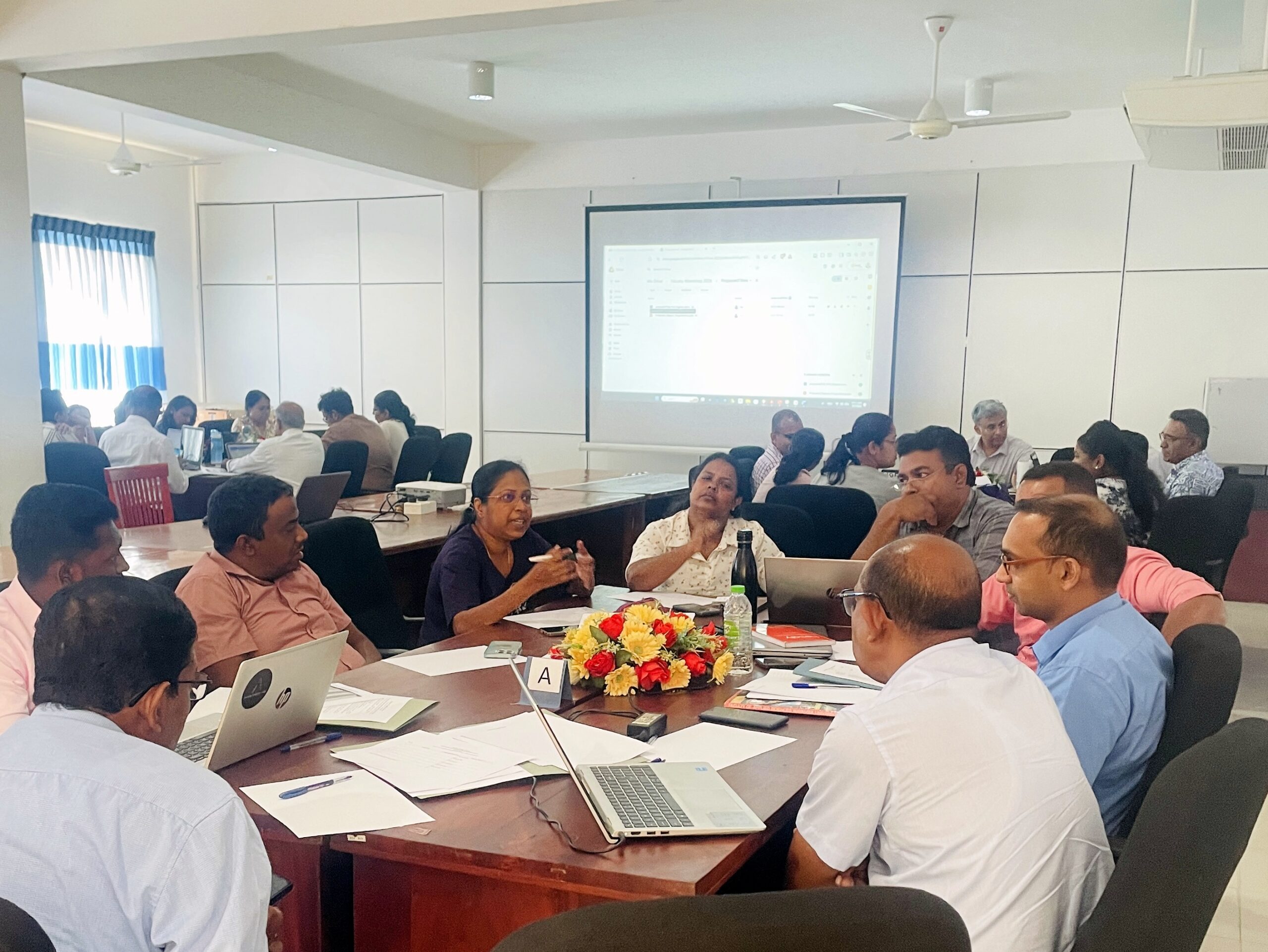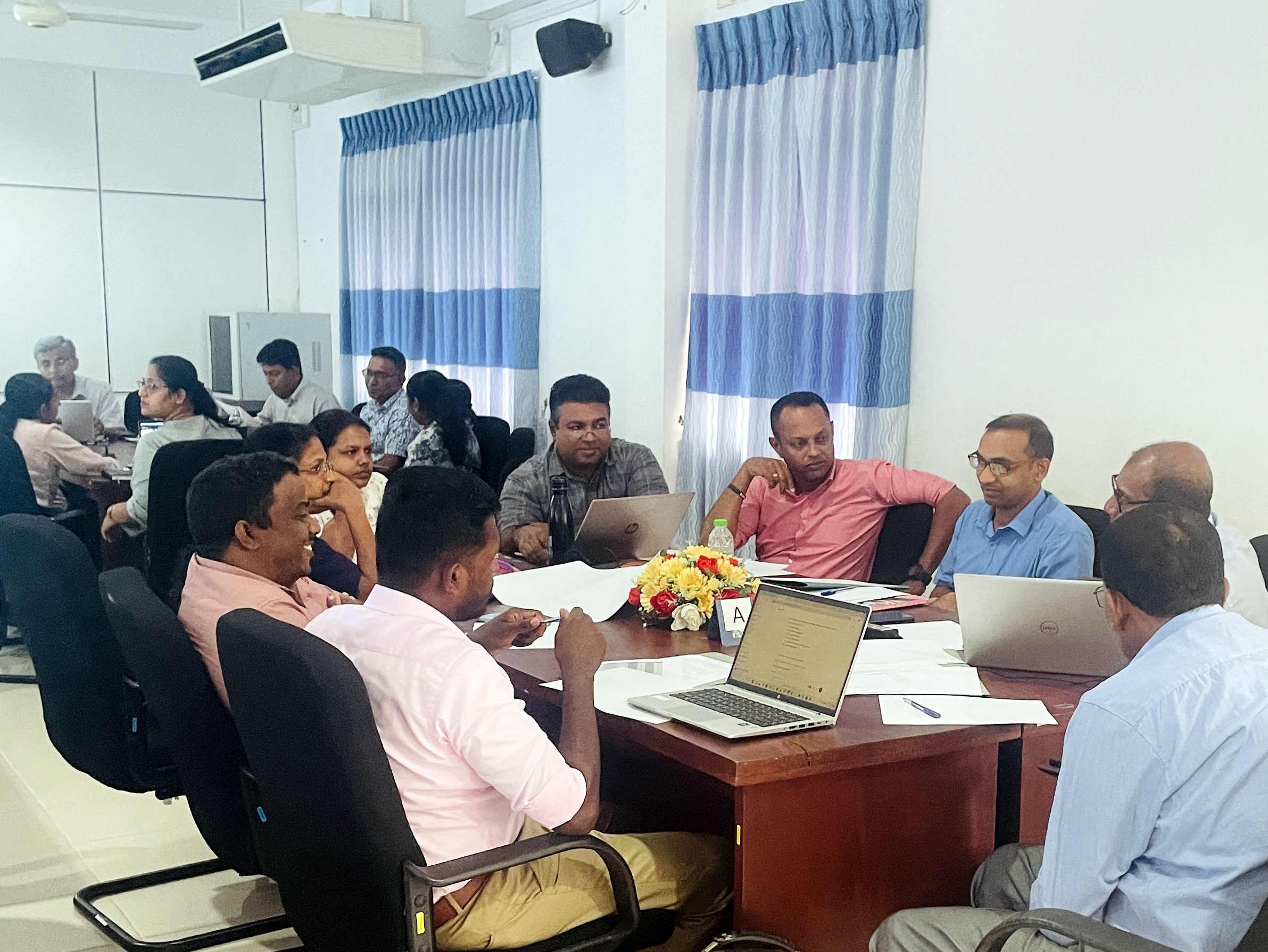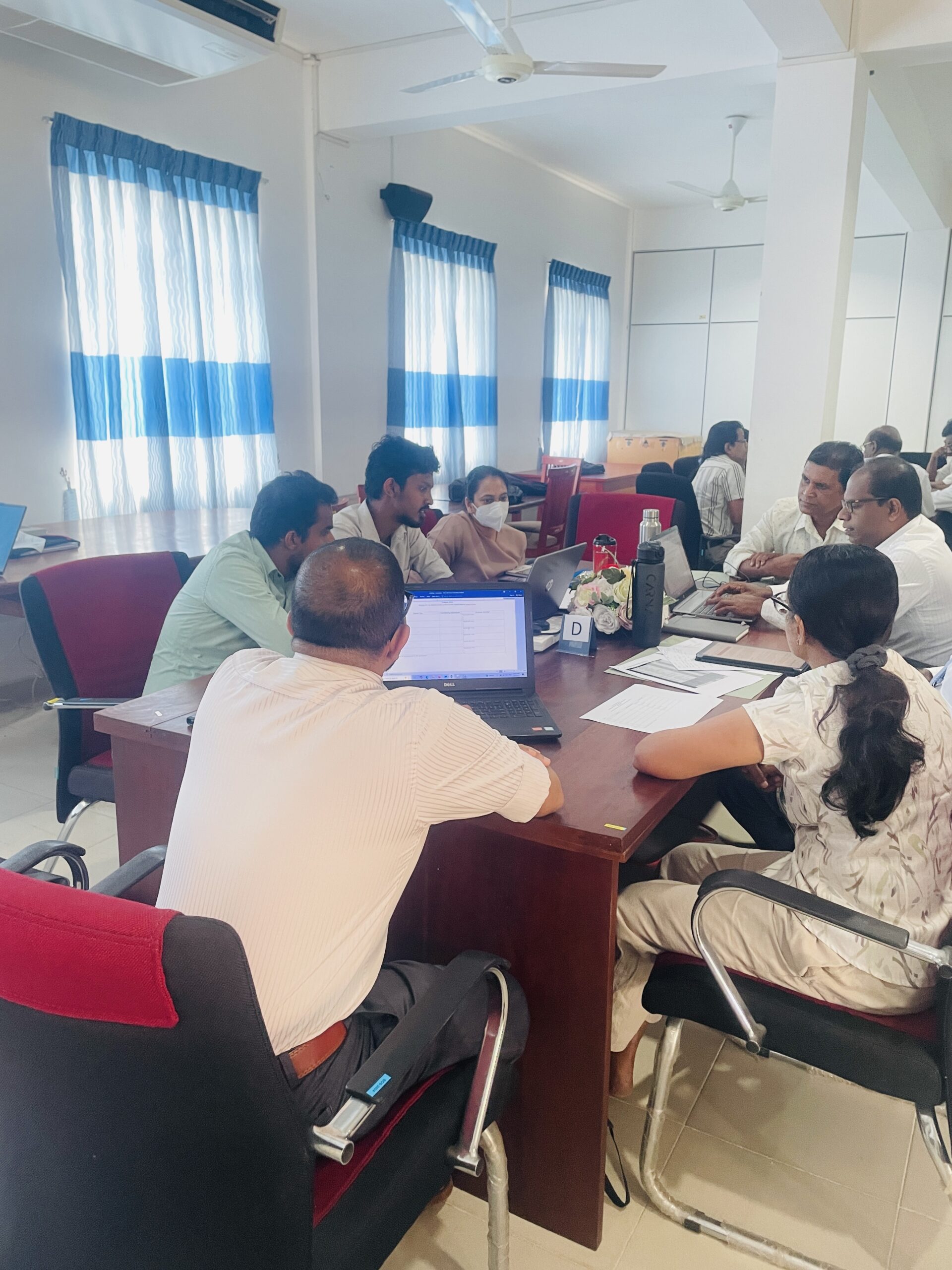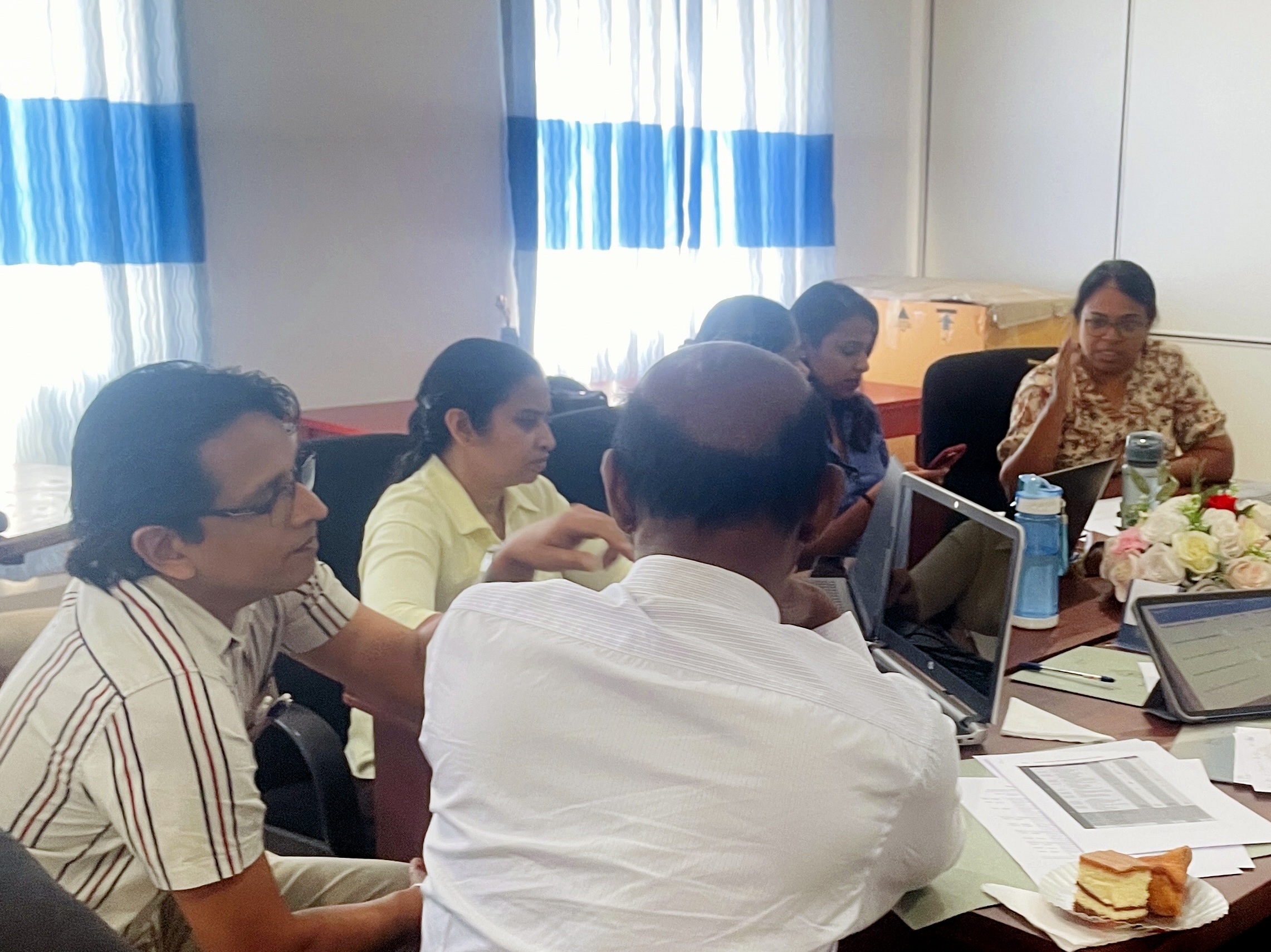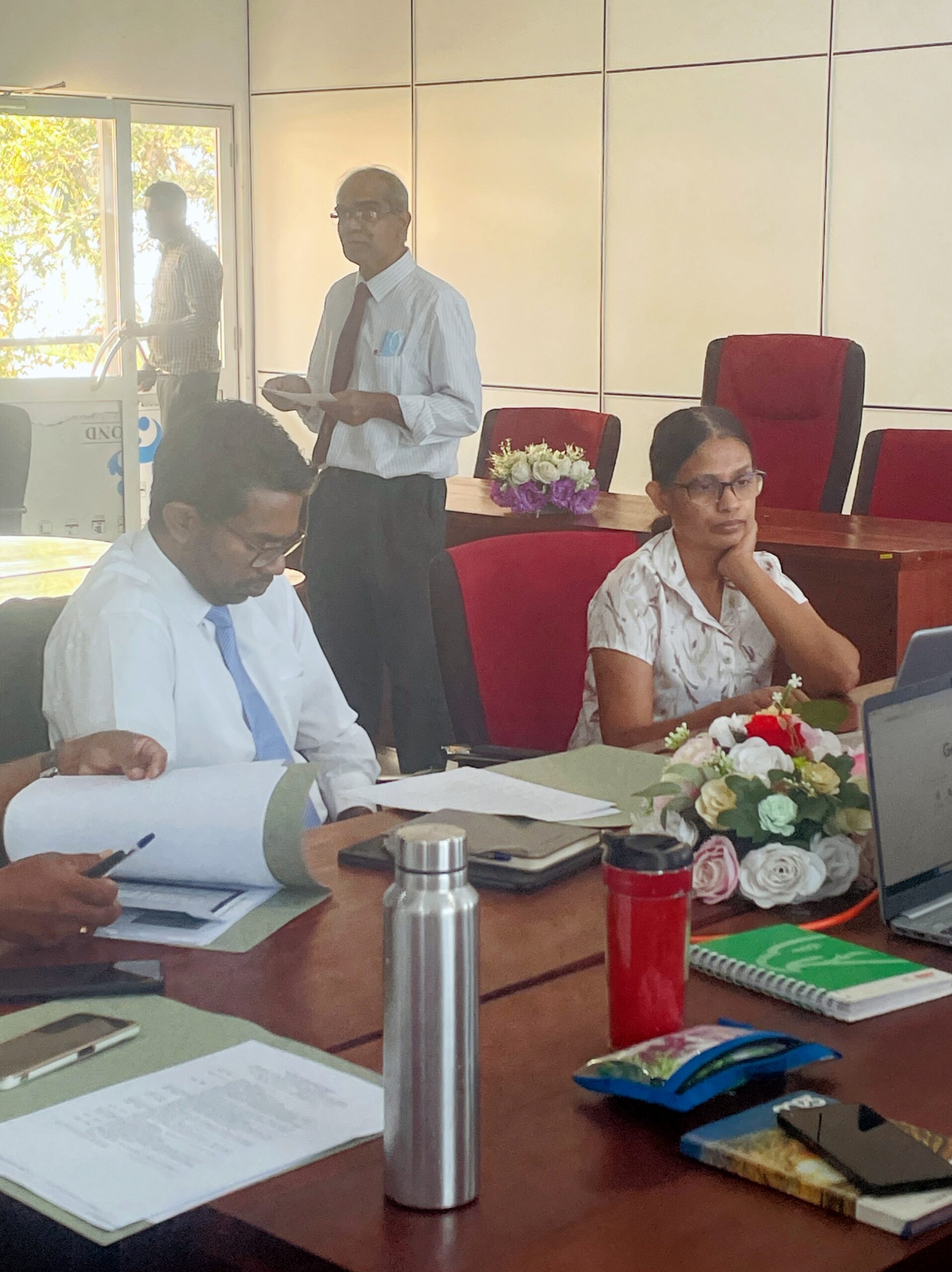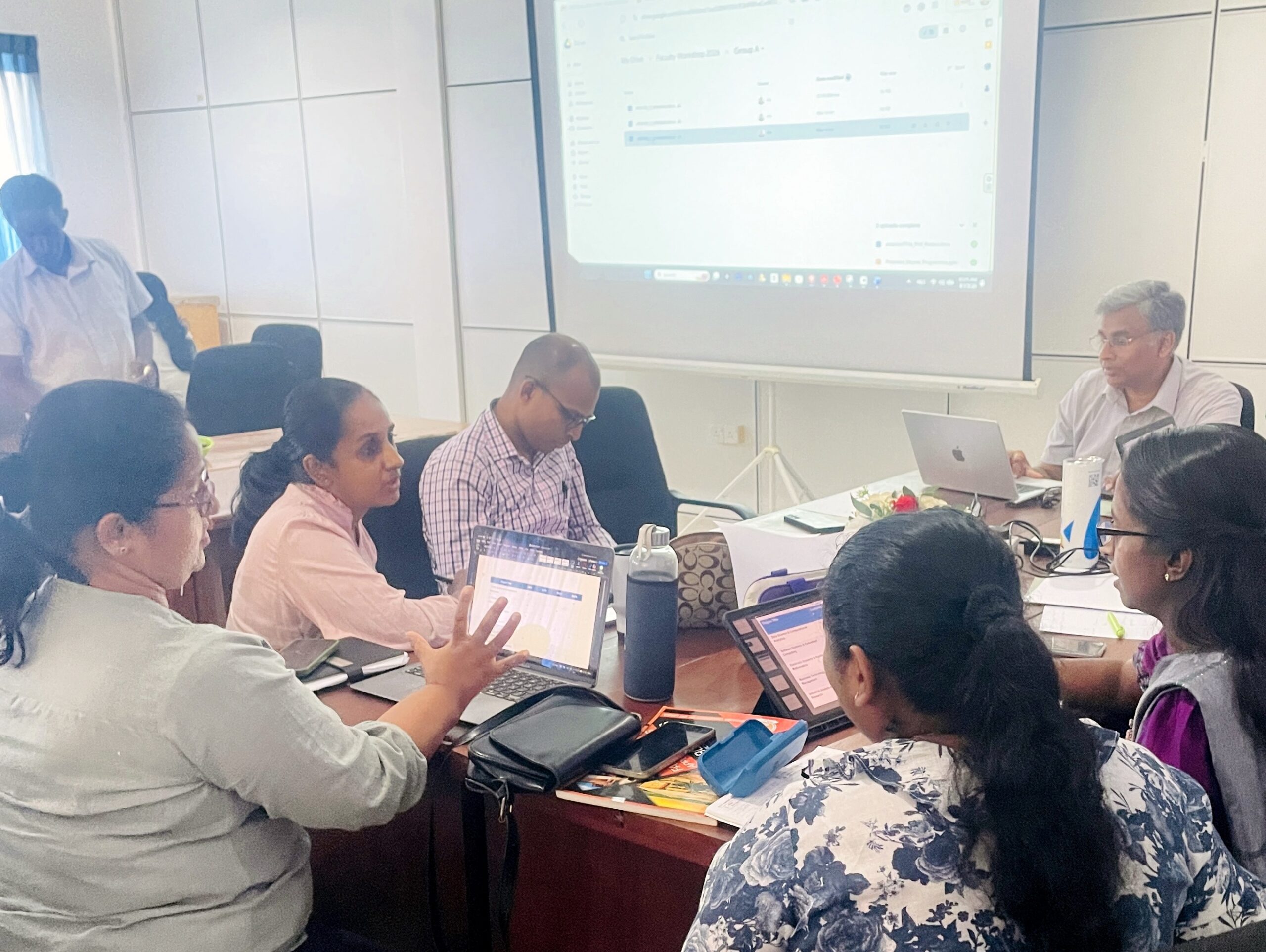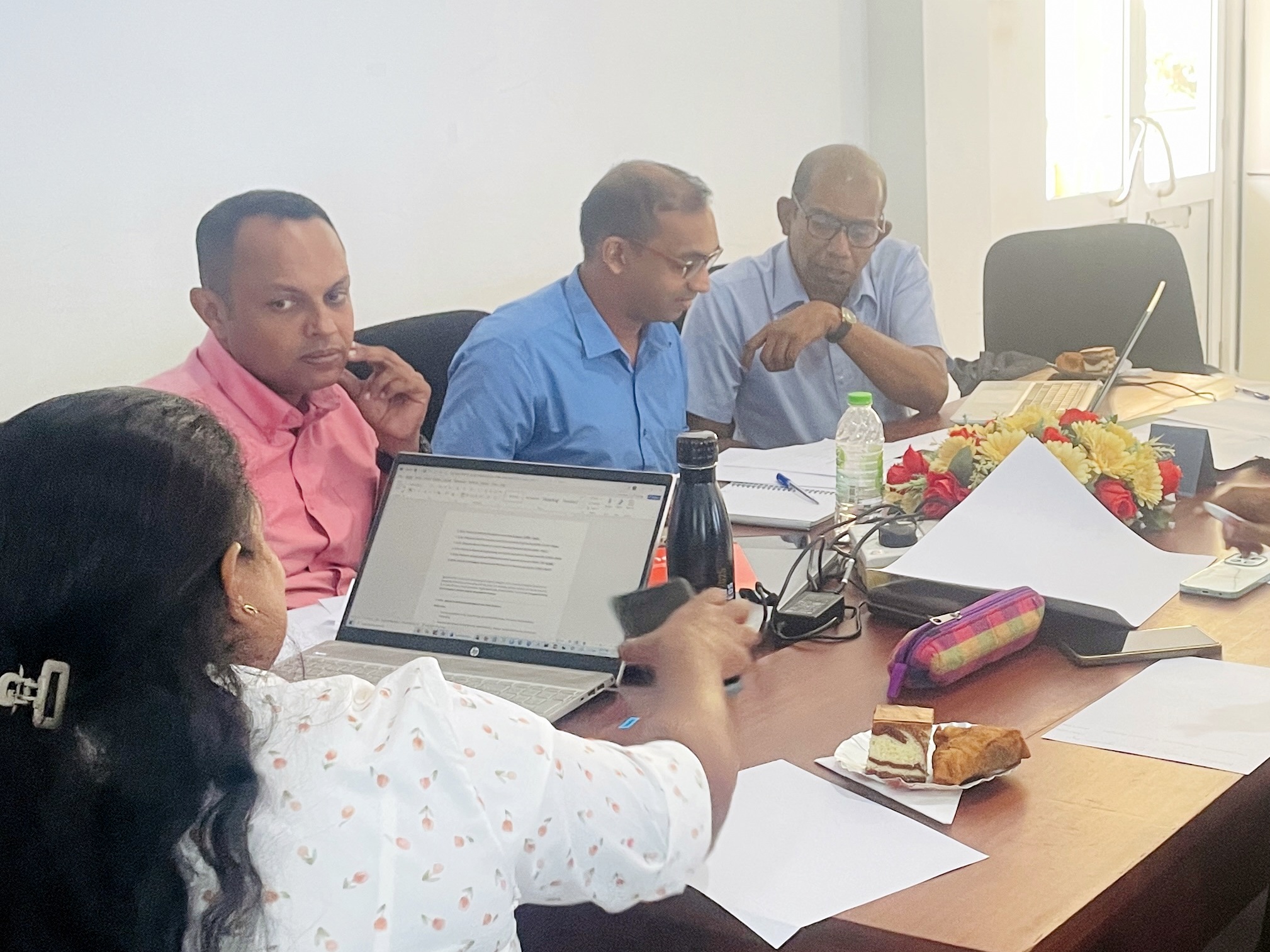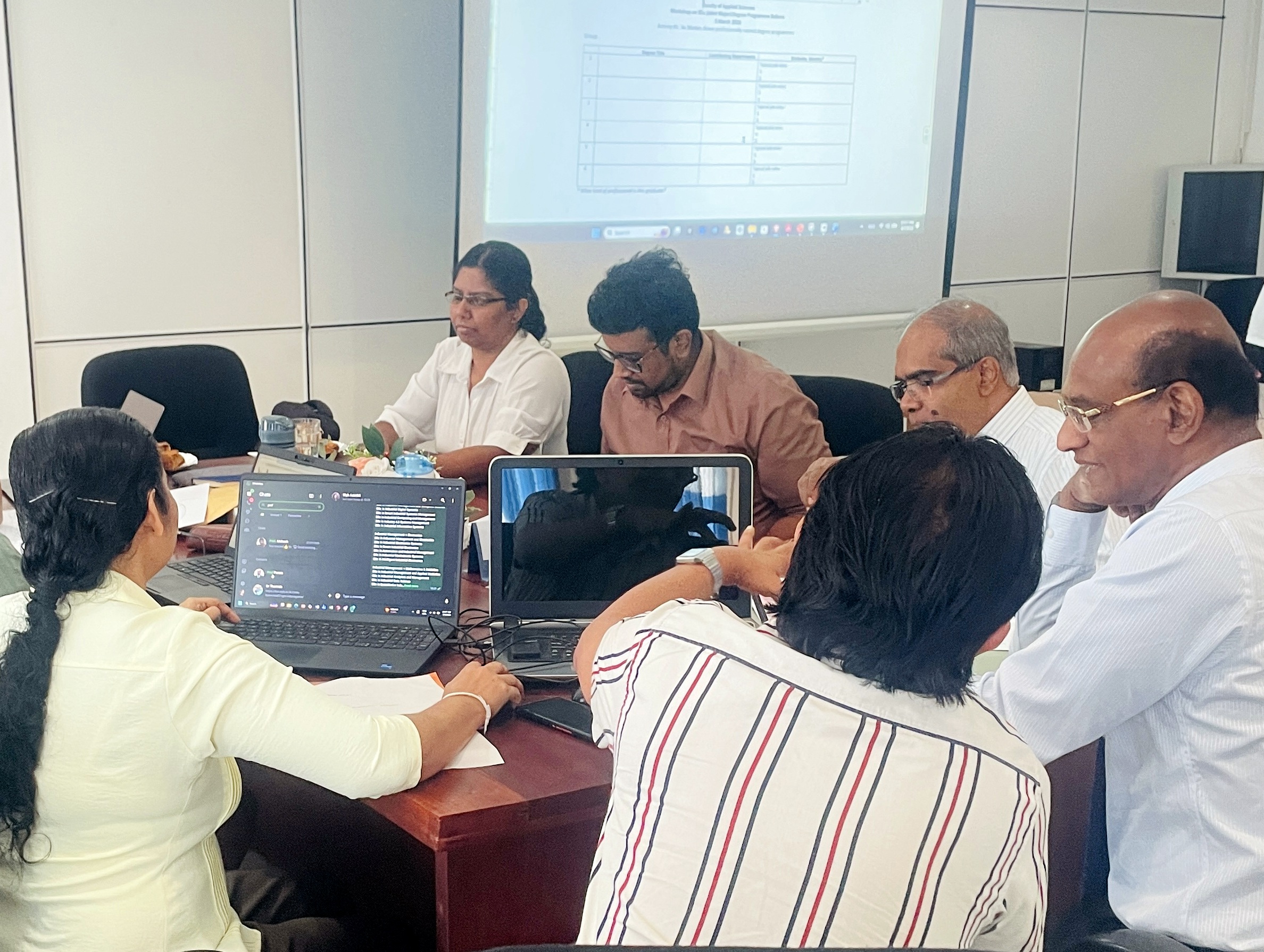
The Faculty of Applied Sciences, Wayamba University of Sri Lanka, successfully conducted a Faculty Workshop on the revision of the BSc (Joint Major) Degree Programme on 5 March 2026 at the Faculty premises in Kuliyapitiya. The workshop was organized by the Curriculum and Academic Development Committee (CADC) under the coordination of Dr. W.A.S. Wijesinghe, Chairman of the Committee, with the objective of initiating a structured revision of the Faculty’s flagship undergraduate programme.
The event brought together academic staff from all four departments of the Faculty—Computing and Information Systems, Electronics, Industrial Management, and Mathematical Sciences—along with invited external resource persons representing industry and academia. The strong participation and active engagement of the participants created a productive and collaborative environment for discussion and idea generation.
The workshop focused on examining how the current Joint Major degree structure can be strengthened to better reflect graduate identity, disciplinary strengths, and emerging workforce needs. Participants worked in interdisciplinary groups to review the existing programme framework and propose new degree titles that clearly communicate the capabilities and professional orientation of graduates.
A key outcome of the workshop was the collective agreement on six new degree titles intended to replace the existing set of titles in the Joint Major programme. This milestone represents an important step in the Faculty’s broader effort to modernize its academic offerings while maintaining the strong interdisciplinary foundation that has been a hallmark of the Faculty since its establishment. The Faculty of Applied Sciences currently brings together expertise in computing, electronics, industrial management, and mathematical sciences to deliver multidisciplinary education aimed at producing graduates equipped for modern technological and socio-economic challenges .
Although the workshop primarily focused on the revision of degree titles, the discussions also laid the groundwork for the next phase of curriculum development, which will involve reviewing course modules and strengthening programme coherence across departments.
The Faculty expresses its sincere appreciation to all academic staff members and external contributors who participated in the workshop and shared their insights. Their collective effort reflects the Faculty’s continued commitment to enhancing the relevance, clarity, and impact of its academic programmes for the benefit of future students and the broader community.